Clean Water Filters Reach Two Villages
Safe water, sanitation, and preventable disease — why our 2013 mission included filters, a well project, and partnership with Safewater Trust.
A surgical team can repair a hernia in two hours. Preventing cholera, hepatitis, or schistosomiasis requires something more fundamental: clean water. That is why Anidaso Health does not limit its work to the operating theatre — and why our 2013 mission included deliberate clean water initiatives alongside medical and surgical care.
The scale of the need
Health care is very variable throughout Ghana. Urban centers are better served and contain most of the hospitals, clinics, and pharmacies in the country. Rural areas often have no modern health care. Patients in these areas either rely on traditional African medicine, or travel great distances for treatment that may arrive too late.
According to the World Health Organization, the most common diseases in Ghana include cholera, pulmonary tuberculosis, anthrax, chicken pox, infectious hepatitis, malaria, tetanus, pertussis, trachoma, measles, and schistosomiasis. In most cases, these diseases are preventable — and many are waterborne. Yet only fifty percent of all citizens of Ghana have access to safe water. Sanitation is equally scarce: only 30.3 percent of people in Ghana have regular sanitation services. People are also at very high risk of diseases acquired through insect bites.
When our physicians treat a child for diarrheal illness or our nurses screen an adult for hepatitis, they are addressing symptoms. Clean water addresses causes.
What we did in 2013
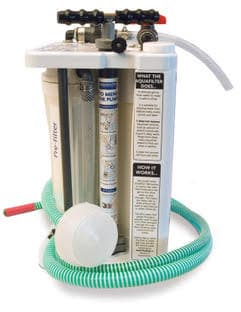
During our November 2013 mission, we participated in clean water initiatives in two ways. First, we brought water filters to two villages — portable systems that can remove pathogens from local sources and make daily drinking water safer for entire households. Second, we contributed financially to a well and pump project, supporting infrastructure that will outlast any two-week volunteer trip.
Filters are immediate: they can be deployed during a mission, demonstrated to families, and left behind with instructions for maintenance. Wells and pumps are long-term: they require local partners, engineering, and sustained community ownership. Both approaches are necessary.
Partnership with Safewater Trust
We do not pretend to be water engineers. Anidaso Health partners with Safewater Trust on clean water work — organizations with expertise in wells, pumps, filtration, and the social dynamics of village water committees. Our role is to fund, coordinate, and connect water projects to the same communities where we provide medical outreach and surgical care.
When a village receives both a clinic visit and a reliable water source, the impact compounds. Fewer waterborne illnesses mean fewer emergency presentations at Kwahu Government Hospital. Fewer hospital visits mean more family income stays at home. The cycle of poverty and illness loosens, slowly but measurably.
Water and hope
Anidaso — hope — is not only a word on our banner. It is what families feel when a child no longer falls ill from the same stream that cattle drink from. It is what elders describe when a new pump replaces a mile-long walk with buckets. Our medical missions save lives in the theatre; our water work helps prevent the need for that theatre in the first place.
If you support Anidaso Health, you support both. Donations fund surgeries, yes — but they also fund filters, wells, and the partnerships that keep clean water flowing after we leave.